




Eating natural
Eat natural, whole foods
If you're reading this blog, you're probably aware of the difference between healthy whole foods and mass produced foods on mass supermarket shelves. You're probably trying to vote with your dollar for healthier, more ethically produced products — but have you found it hard to enjoy all of the foods you love within this commitment to good health?
Numbered Ingredients
When you read the ingredients list of pre-made, packaged foods, it can quickly start reading like a chemistry test. Complicated sounding words, numbers and single letters—commonly referred to as E numbers—occupy dozens of spaces on the list without actually providing information about what's in your food. Once you understand what the numbers are and what they do, you can make an informed choice about what foods you eat.
What Are E Numbers and Why Are They Used?
E numbers are code numbers used to identify food additives that have been assessed for use within the European Union and adopted globally, including right here in Australia. They fall into several major categories:
Preservatives (E200–E299) such as sodium metabisulfite E223, potassium sorbate E202
Antioxidants (E300–E399) such as BHA E320, BHT E321.
Emulsifiers, Stabilisers & Thickeners (E400–E499)
Flavour Enhancers (E600–E699) such as Monosodium Glutamate (MSG / E621)
Artificial Colours & Sweeteners (E100–E199 & E900–E999)
Health Concerns Around Additives
While regulatory bodies deem these additives safe within specific limits, health-conscious consumers and holistic nutritionists increasingly question the impact of constant, cumulative exposure and interactions with other ingredients. Many ultra-processed foods, including ones you wouldn't think of as 'ultra-processed', stack multiple E numbers together, creating a "cocktail effect" that standard safety trials rarely measure.
Certain preservatives, like nitrites (E249–E250) commonly found in conventional cured meats, can form nitrosamines in the body, which have been linked to health risks. Sulfites (E220–E228) are notorious for triggering respiratory issues, skin reactions, and headaches in sensitive individuals. Other emulsifiers and artificial gums can disrupt the delicate balance of the gut microbiome, potentially leading to inflammation, digestive distress, and metabolic disruption.
E numbers to keep an eye out for
Preservatives. The Big Three:
E220–E228 (Sulfites / Sulfur Dioxide): Extremely common in dried fruit, mass-market wines, and commercial sausages. Sulfites are known triggers for severe respiratory reactions, particularly in asthmatics, and can cause digestive issues or headaches in sensitive individuals.
E249–E252 (Nitrates and Nitrites): Used to preserve pink color and extend shelf life in conventional bacon, ham, and deli meats. When exposed to high heat or stomach acid, they can form nitrosamines—compounds linked to long-term health risks and gut inflammation.
E280–E283 (Propionates / Calcium Propionate): Added to commercial bread, pie crusts, and wraps to prevent mold growth. Propionates have been studied for their potential to disrupt sleep, trigger irritability or behavioural changes in children, and provoke stomach irritation.
Flavour Enhancers:
E621 Monosodium Glutamate / MSG Used to create an artificial "savory" depth in instant soups, gravies, and frozen meals. While classified as safe by food authorities, many report headaches, sweating, tightness, and flushing (often referred to as MSG symptom complex).
E627, E631, E635 (Disodium Guanylate, Inosinate & Ribonucleotides): High-potency flavour enhancers often paired with MSG to amplify savouriness in cheap snack foods and meat products. They are linked to skin rashes, hives, and gout flare-ups in sensitive individuals.
Synthetic Antioxidants:
E319, E320, E321 (TBHQ, BHA, BHT): Synthetic petroleum-derived antioxidants added to vegetable oils, fried snacks, and pastry shortenings to prevent fats from going rancid on shelf. BHA and BHT have faced scrutiny due to concerns regarding endocrine disruption and potential toxicity with high, cumulative intake.
Emulsifiers & Texture Modifiers:
E407 (Carrageenan): Derived from seaweed and used as a thickener in dairy, plant milks, and deli meats. Animal studies suggest it can trigger intestinal inflammation, altered gut permeability ("leaky gut"), and gastrointestinal distress.
E432–E466 (Polysorbates & Carboxymethyl Cellulose): Synthetic emulsifiers used to keep commercial sauces, baked goods, and processed foods smooth. Recent research links regular intake of these specific emulsifiers to changes in the gut microbiome and low-grade systemic inflammation.
Artificial Colours:
E102 (Tartrazine), E110 (Sunset Yellow), E129 (Allura Red): Bright coal-tar derived dyes often added to pre-made bakery glazes, sauces, and snack foods. The famous "Southampton Study" linked these dyes to increased hyperactivity and attention issues in children, leading to strict warnings in Europe—though they remain widely used in conventional Australian products.
E160b (Annatto): While technically a "natural" yellow/orange dye, Annatto is notorious among food intolerance experts for triggering hives, headiness, and behavioural flare-ups just like synthetic colours.
Reading labels closely and choosing whole, unadulterated products remains the simplest way to bypass these chemical workarounds entirely.
The Worst Offenders
Sausage rolls, pies, quiches and other baked goodies are not only convenient, delicious options for a busy schedule, but Aussie icons. You may not consider these staples 'ultra-processed' because we all know the ingredients, right? Flour, butter, salt and water. However, many of the baked foods we know and love have been invaded by artificial colours, flavours and preservatives. Conventional, mass-produced bakeries rely heavily on them to keep pastries flaky over long transit times, maintain an appealing golden colour under display lights, and stretch the shelf life of meat fillings. In a standard supermarket sausage roll, you will often find dough conditioners (like E920), mineral salts (E450, E452) to retain moisture in processed meat, flavour enhancers (E621), and synthetic preservatives (E202, E223) mixed right into the minced filling and pastry layers.
However, **it doesn't have to be this way**. The traditional way of making a pie or sausage roll requires simple, real ingredients: grass-fed, pasture-raised minced meat, real butter, unbleached flour, water, sea salt, chopped fresh herbs, and natural spices. When you use high-quality meat that is naturally rich in flavour, you don't need artificial enhancers or water-binding phosphates. Flaky pastry can be achieved with real, organic butter rather than hydrogenated oils and emulsifiers. By returning to scratch-cooking methods and real food, these Aussie icons can be returned to their original and delicious form.
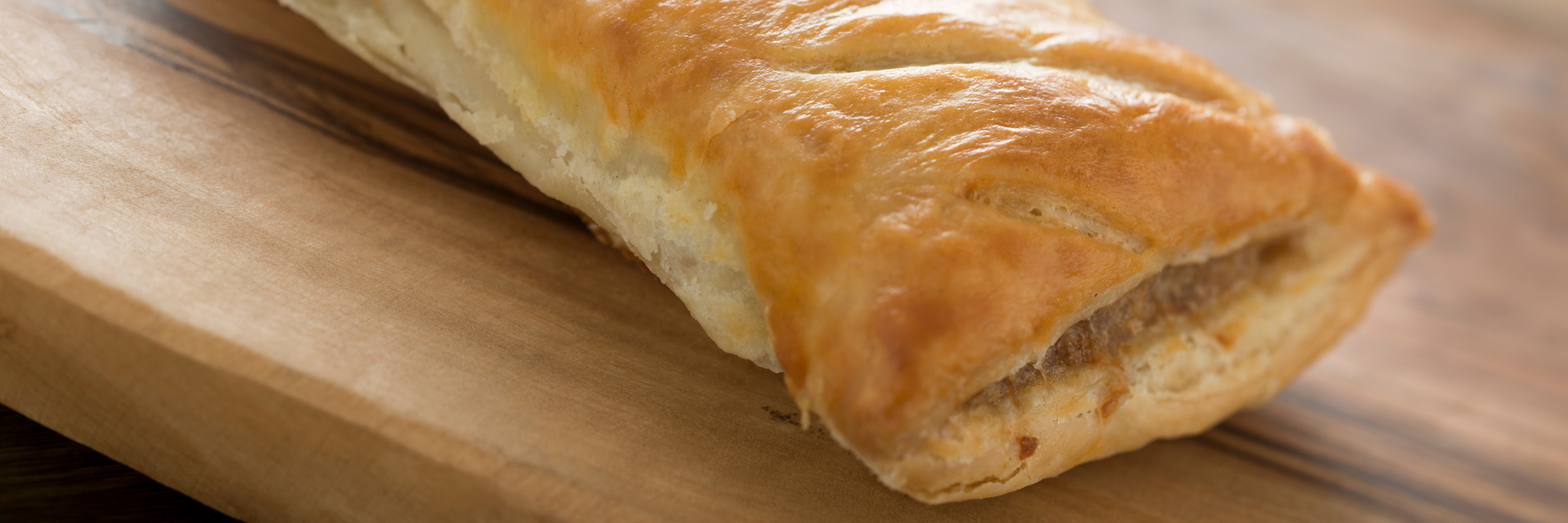
We have created 100% natural and e number free sausage rolls. They are made using a butter puff pastry which means no cheap vegetable based oils are used. They taste amazing, which just goes to show you can eat well and avoid numbered ingredients. You can find them in-store, in either organic beef, organic lamb or free-range chicken. As there are no preservatives, the sausage rolls are stored frozen and will be baked from frozen to preserve their freshness and flavour!
The Importance of Eating as Naturally as Possible
Eating naturally isn't about perfection; it’s about reducing the overall chemical burden on your body. Choosing real, unadulterated whole foods—free from synthetic preservatives, artificial colours, and hidden fillers—gives your body the raw nutrient density it was designed to thrive on. At Sunshine Coast Organic Meats, we believe in complete transparency and a return to natural ways of eating. Whether it’s our hand-crafted, preservative-free sausages, our huge variety of organic meat cuts or our shelves packed with local, ethically produced goodies, prioritising whole, natural ingredients supports gut health, reduces systemic inflammation, and brings true, uncompromised flavour back to your dinner table.