

How to get tender chicken
Chicken is an incredibly popular meat option for families, as it is cheap, incredibly versatile, easy and quick to prepare, and safe for picky eaters. One chicken can create two wings, two legs, two breasts, two thighs — for $29, you can cover two or three meals with 2kg worth of chicken meat. It's no surprise that nearly 70 per cent of Australian households serve chicken meat at least twice per week [1].
The chicken breast in particular is a national favourite because it is cheap, easy to work with with no bones or skin, low-fat and low-calorie for the health conscious and its a 100% usable portion unlike a wing or leg which includes the bone. It can be used in Japanese, Mexican, Indian, Vietnamese and Australian cuisine, just to name a few. The one downside of the chicken breast, and its infamous reputation, is that due to its low fat content it is very temperamental when it comes up against high or extended heat. Chicken breast dries out very easily, it can become tough when overcooked and on its own, it's not very flavourful. Luckily, as the laymans food, it's super easy to employ just a few tricks to make the breast the best it can be!
How to make delicious chicken breast
There are a few ways to make chicken breast delicious no matter what cuisine you use it for or how you serve it.
Dry or wet brine in salt for at least an hour. Dry (covering the breast in salt) or wet brining (submerging the breast in a salty liquid) can lock in delicious salty flavour, which also brings out the natural flavour of the chicken breast, but it also tenderises the meat by breaking down the cells, and encourages it to retain moisture when cooking. A brine is ideal overnight but even one hour in the fridge can make a difference. Once the brine is done, pat it dry with paper towel and then cook.
Marinade in a thick liquid. As well as or instead of brining, you can put chicken in a thick marinade made of yoghurt, mayonnaise or buttermilk. This will both seal in moisturiser when seared or roasted, but pre-marinading and soaking for at least an hour before cooking will imbue more moisture into the chicken. As an added bonus, the fat in the dairy will create a deeper, browner crust on the chicken.
Mechanical tenderising. Pounding down a chicken breast or butterflying it to ensure an even thickness the whole way across. If the breast is an even thickness it prevents any area from cooking first and then overcooking while the thicker part of the breast completes cooking.
Get a meat thermometer. A meat thermometer or an instant read thermometer is chicken breast's best friend. With a meat thermometer you can know exactly when your chicken is safely cooked at 75 degrees celsius for one minute. Hint: if you're a real chicken aficionado, you can pull your chicken at 65 degrees celsius once it's maintained its temp for at least 10 minutes.
Rest. That's right, resting isn't just for fancy steaks, unfortunately it's important for chicken breasts, too. Rest the chicken for at least 10 minutes so all of the delicious juices can settle into the cells of the meat and rehydrate it.
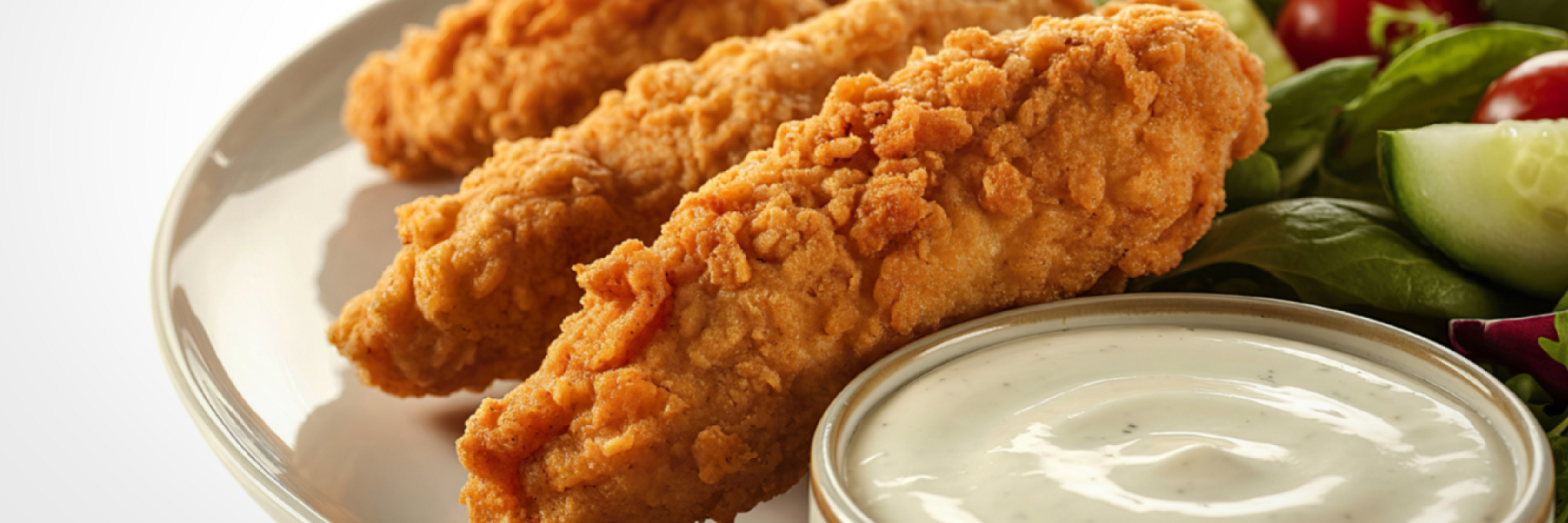
These four or five things can make the biggest difference for your chicken enjoying experience and FYI you can use these tips on thighs, drumsticks, marylands and even the whole chicken for better flavour and stress-free cooking. These techniques will elevate something as simple as chicken tenders to a delicious element of any lunch or dinner.